

Congressional Stock Trades & Disclosures
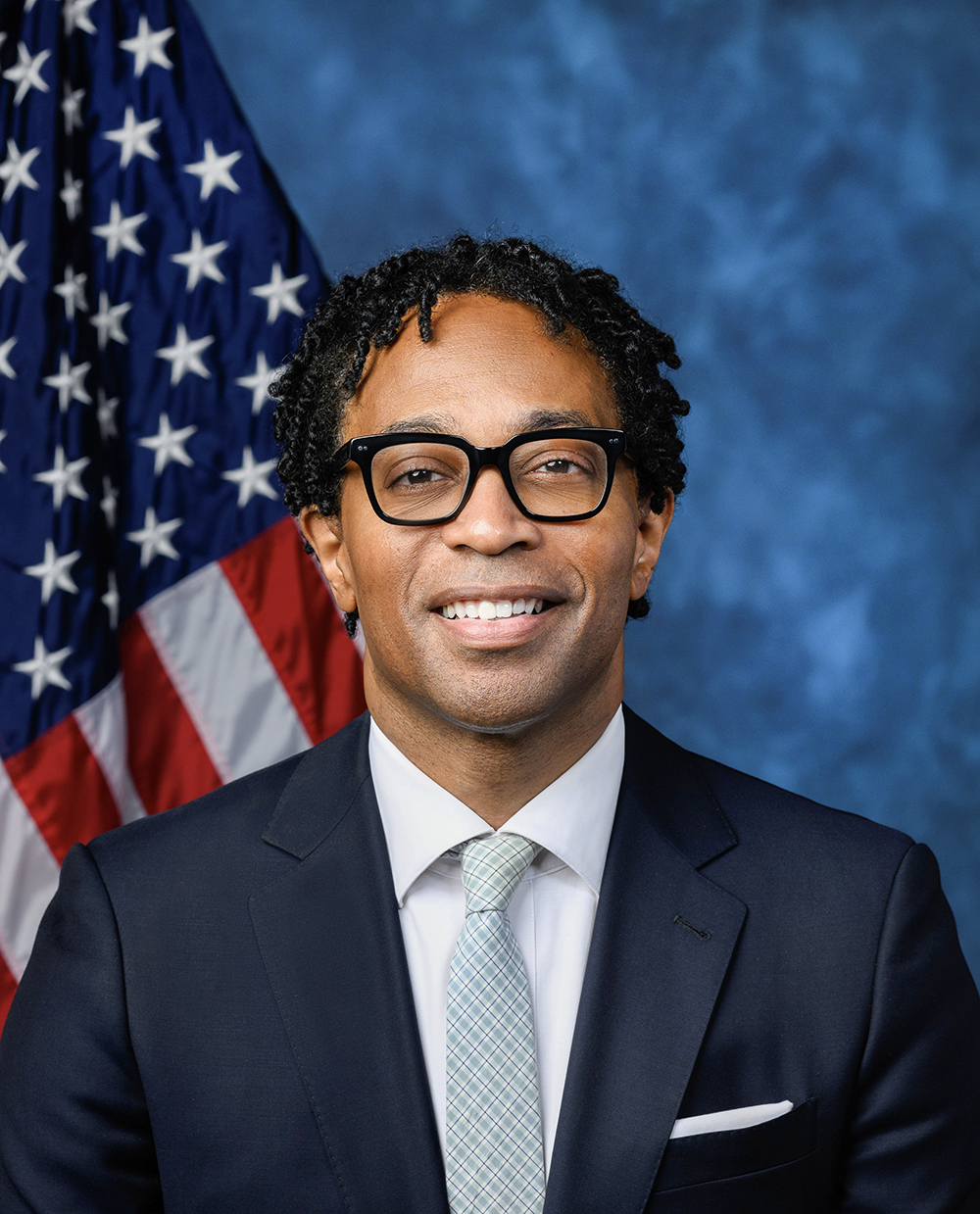
Wesley Bell is a U.S. Representative, a Democrat representing MO. Quantellect tracks Bell's disclosed stock trades, sectors, and filing history as they are reported under the STOCK Act.
Trading summary
Wesley Bell
- Member Score
- 10Baseline · not measured
- No disclosed trades are available for this sitting member. Baseline 10 is a directory value, not a measured Q Score, and is excluded from ranking and percentile calculations.
- Disclosed activity rank
- #124 of 539
- Profit win rate (2Y)
- —
- No priced buy results available
- vs S&P 500 (2Y)
- —
- +$0 estimated excess profit
- Latest disclosed trade
- No trade available
About Wesley Bell's congressional trading
Wesley Bell, the Democrat representing Missouri's 1st Congressional District, has no disclosed transactions on record since his current term began on January 3, 2025, as of the August 22, 2026 measurement date. Zero purchases, zero sales, zero disclosed trading activity of any other kind. For a data-driven profile of congressional trading, that absence is itself the finding, and it puts Bell in a specific, quantifiable category: members with no disclosed transaction activity during the measured period.
Bell is far from alone in this. Quantellect's current published congressional roster contains 539 sitting members; 276 have no disclosed trades in the transaction record (237 House members and 39 senators). In other words, a substantial share of the House, well over half, carries the same zero-disclosure profile Bell does. His record should be read against that baseline rather than as an outlier.
What the Disclosure Record Does and Does Not Tell Investors
Under the Stop Trading on Congressional Knowledge Act of 2012, members of Congress and covered congressional employees must publicly report qualifying financial transactions. The House Committee on Ethics financial disclosure instruction guide explains that purchases, sales, or exchanges involving stocks, bonds, or other securities generally trigger a Periodic Transaction Report when the gross amount of a single transaction exceeds $1,000. The report is due by the earlier of 30 days after the filer becomes aware of the transaction or 45 days after the transaction date. The guide also explains that reportable transactions may involve the filer, a spouse, dependent children, or jointly owned property, including activity conducted through brokerage, managed, or retirement accounts.
That last point matters for how a zero-disclosure record should be interpreted. A filing under Bell's name could in principle identify his own transaction, a spouse's transaction, a dependent child's transaction, or activity involving jointly owned property, with the relationship indicated in the filing. With no transactions in this record, there is nothing to attribute. The record establishes only that no transaction has been disclosed for Bell during the measured period; it does not by itself establish that no potentially reportable transaction occurred. It also does not establish whether an annual financial disclosure lists reportable assets that predate his term, because annual financial disclosures and transaction-level Periodic Transaction Reports are distinct records, and annual asset data is not included in this fact packet.
It is also worth being precise about timing. Bell's current term began January 3, 2025, meaning the zero-disclosure window covers only the portion of his current term through August 22, 2026. The packet contains no transaction dates, disclosure dates, transaction amounts, securities, sectors, or attribution entries for Bell during that period. It also provides no prior-term transaction data for comparison. The evidence therefore does not support a claim about whether this record represents a change from past behavior, an investment preference, or a decision to avoid active trading; it supports only the narrower finding that the current transaction record is empty.
Scoring Coverage
Quantellect currently lists Wesley Bell with a baseline directory value of 10 rather than a measured Member Score. The current Member Score source explains that no disclosed trades are available for this sitting member; baseline 10 is a directory value, not a measured Member Score, and is excluded from ranking and percentile calculations.
For investors tracking congressional transaction disclosures as a signal, Bell's page functions less as a trading profile and more as a confirmation that the database contains no disclosed activity for the measured period. Any future disclosure, should one appear, would change Bell's recorded transaction count from zero and create activity that could then be assessed by transaction date, disclosure date, transaction type, disclosed amount range, security, and attribution.
Disclosure and Methodology Note
This profile is generated from disclosed congressional financial transaction data as required under the Stop Trading on Congressional Knowledge Act of 2012 and reported under House Committee on Ethics guidance. Disclosed transactions may reflect activity involving the member, a spouse, dependent children, or jointly owned property, depending on the attribution specified in the underlying filing. This page reflects only transactions disclosed as of August 22, 2026, and does not constitute investment advice or a recommendation to buy or sell any security.
Trading activity
Periodic Transaction Report filings
Latest congress trades we've covered
- Thomas H. Kean, Jr. disclosed a $15,001 - $50,000 Microsoft Corporation sell
- Thomas H. Kean, Jr. disclosed a $1,001 - $15,000 Warner Bros Discovery Inc sell
- Thomas H. Kean, Jr. disclosed a $1,001 - $15,000 Warner Bros Discovery Inc sell
- Thomas H. Kean, Jr. disclosed a $1,001 - $15,000 Stryker Corporation sell
- Thomas H. Kean, Jr. disclosed a $1,001 - $15,000 Johnson & Johnson sell
- Steve Cohen disclosed a $1,001 - $15,000 Warner Bros Discovery Inc sell
- Michael A. Rulli disclosed a $1,001 - $15,000 NVIDIA Corporation sell
- Terri A. Sewell disclosed a $1,001 - $15,000 Tapestry Inc sell
- Michael A. Rulli disclosed a $1,001 - $15,000 Lumentum Holdings Inc sell
- Michael A. Rulli disclosed a $1,001 - $15,000 Microsoft Corporation buy
Wesley Bell congressional trading FAQ
Can Wesley Bell legally trade stocks?
Yes. Members of Congress are permitted to buy and sell stocks, but the 2012 STOCK Act requires them to publicly disclose each transaction, generally within 45 days. Quantellect compiles Wesley Bell's disclosures so the public can review them.
Where does Quantellect get Wesley Bell's trading data?
Every trade shown is sourced from official Periodic Transaction Reports filed under the STOCK Act. Amounts are reported as ranges, and estimated prices and post-trade returns are derived from end-of-day market data.
How can I track Wesley Bell's stock trades?
Quantellect tracks every stock trade Wesley Bell discloses under the STOCK Act on this page, including the company, the disclosed amount range, and post-trade performance. New filings appear here as they are reported, generally within 45 days of the trade.
What is Wesley Bell's Quantellect Member Score?
Wesley Bell has a directory baseline value of 10, not a measured Quantellect Member Score. No disclosed trades are available for this sitting member. Baseline 10 is a directory value, not a measured Q Score, and is excluded from ranking and percentile calculations.
Browse all members of Congress who trade stocksSee which stocks Congress tradesCongressional trading overview
Trades reflect disclosures filed under the STOCK Act and are provided for informational purposes only, not investment advice. Amounts are ranges from official filings; estimated prices and post-trade returns are derived from end-of-day market data and may be revised as filings are amended.